Challenge yourself and reach new horizons
Rappelling, an activity that combines adrenaline and technique, lets adventurers explore vertical landscapes in a unique way. Whether in canyons, waterfalls or mountains, every descent is a chance to overcome challenges and enjoy nature from a whole new angle. It is open to different levels of experience, from beginners to seasoned practitioners, with exciting adventures for everyone.
High-intensity adventure: rappelling in natural settings
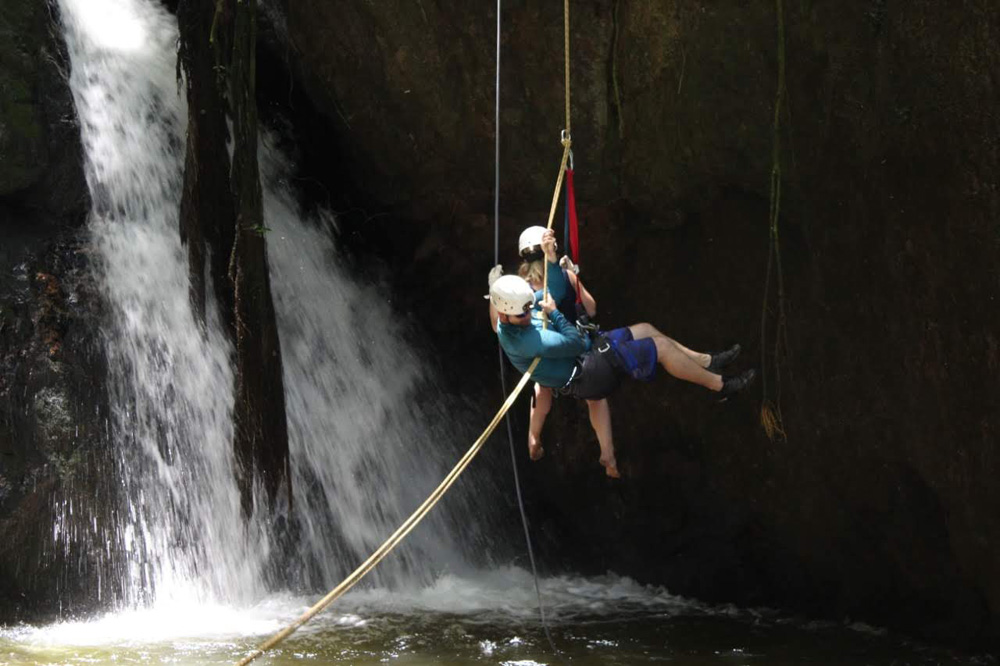
For those who want full immersion in adventure, rappelling in natural settings is the ideal choice. Descending rock walls or waterfalls, participants experience nature in an intimate, visceral way. Each descent reveals a new perspective, bringing unforgettable moments of connection with the environment and personal achievement.
Overcoming challenges with technique and safety
Although rappelling is extremely rewarding, it requires physical preparation and attention to safety techniques. It is essential to be aware of the risks, such as falls and slips, and to follow strict procedures to reduce them. Choosing the right equipment and learning proper rappelling techniques are key to a safe and enjoyable experience.
Benefits of rappelling for body and mind
Rappelling not only strengthens the body, improving muscular endurance and coordination, but also supports mental well-being. Facing and overcoming vertical challenges can boost self-confidence and reduce stress. Being immersed in nature during the activity brings moments of peace and reflection, contributing to a healthy mental balance.


Safety standards and regulations
Safety is paramount in rappelling, and several Brazilian technical standards protect participants:
- ABNT NBR ISO 21101:2014 – sets the requirements for safety management systems.
- ABNT NBR ISO 21102:2020 – defines the competences required of adventure tourism leaders.
- ABNT NBR ISO 21103:2014 – specifies the information that must be given to participants.
- ABNT NBR ISO 20611:2019 – provides guidance on good sustainability practices.
- ABNT NBR 15500:2014 – provides the standard terminology for adventure tourism.
- ABNT NBR 15501:2011 – specifies the requirements for vertical techniques in adventure tourism.
- ABNT NBR 15502:2011 – sets the procedures for vertical techniques in adventure tourism.
Rappelling safely: essential tips
- Choose compliant operators: choose companies that have a Safety Management System (SMS) in place, ensuring compliance with technical standards and quality service.
- Plan your adventure: learn about the place where you will rappel, including the terrain, weather conditions and support points. Assess your fitness and make informed decisions.
- The right gear: use certified rappelling equipment suited to the activity. Also bring proper clothing, a helmet, gloves and a first-aid kit.
- Look after your health: stay hydrated, stretch before and after the activity, and protect yourself from the sun with sunscreen and suitable clothing.
- Respect the environment: follow the “leave no trace” principle and carry out all your waste. Protect the vegetation and do not disturb wildlife.
A call to adventure: explore, conquer and transform yourself
Rappelling is an invitation for anyone who wants to test their limits and connect deeply with nature. Every descent is a chance for personal growth and for moments of pure adrenaline and contemplation. With proper preparation, attention to safety standards and respect for the environment, travelers and ecotourism companies can enjoy unforgettable experiences and help protect natural areas. Gear up, get mentally ready and set off on this exciting vertical journey. Explore, conquer and transform yourself with every descent!