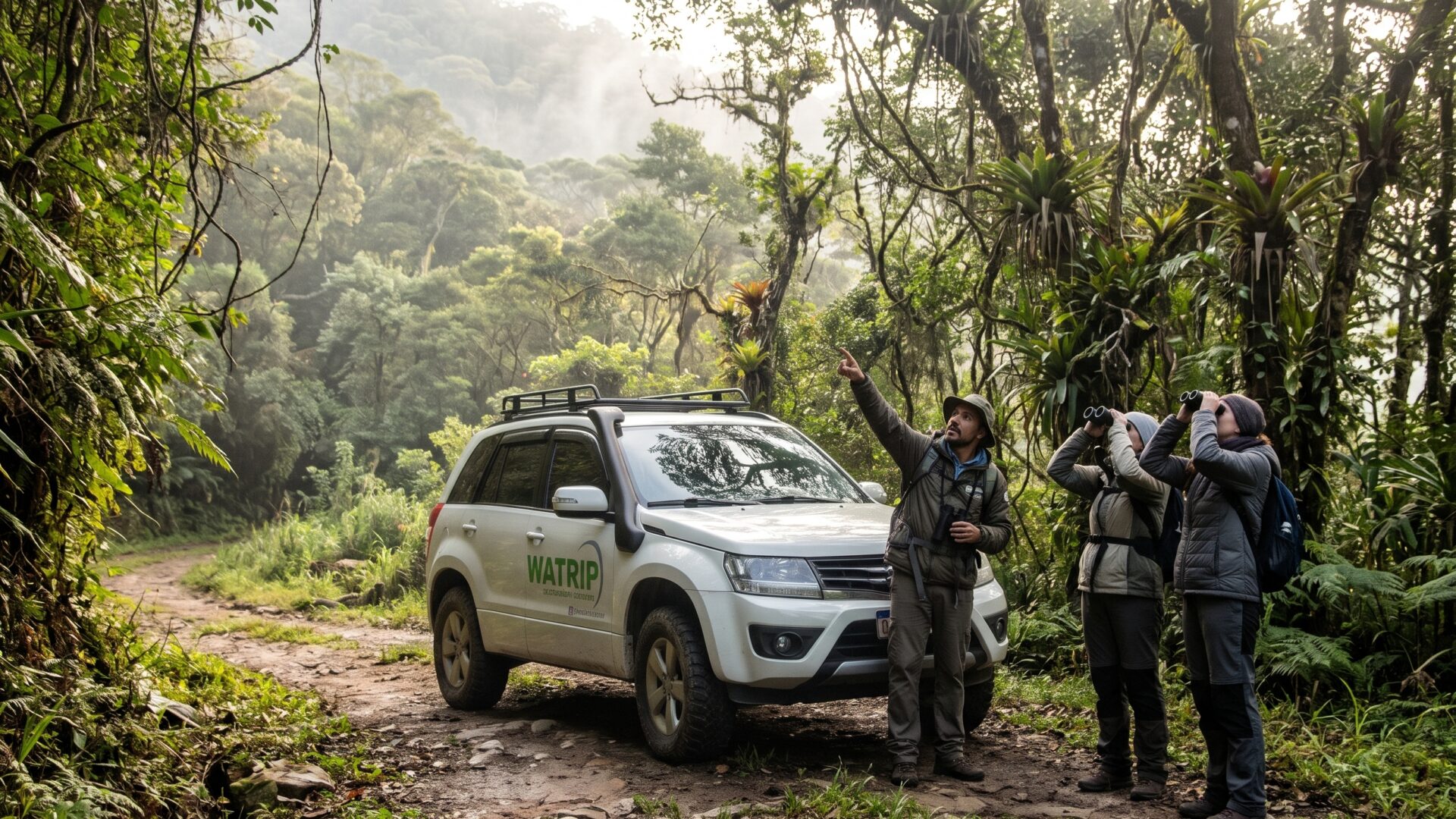
The mountains of Nova Friburgo hold some of the most sought-after habitats for birders in Brazil. Here the Serra do Mar rises above 2,000 meters, and the Atlantic Forest changes at every bend: dense forest in the valleys, bamboo thickets on the slopes and high-altitude grasslands near the summits.
This variety is what draws birders from Brazil and abroad. The range is home to rare birds such as the Grey-winged Cotinga, found only in the mountains of Rio de Janeiro state and threatened with extinction. Few places two and a half hours from Rio offer anything like it.
Where to go birding
Caledônia Peak (Três Picos State Park)
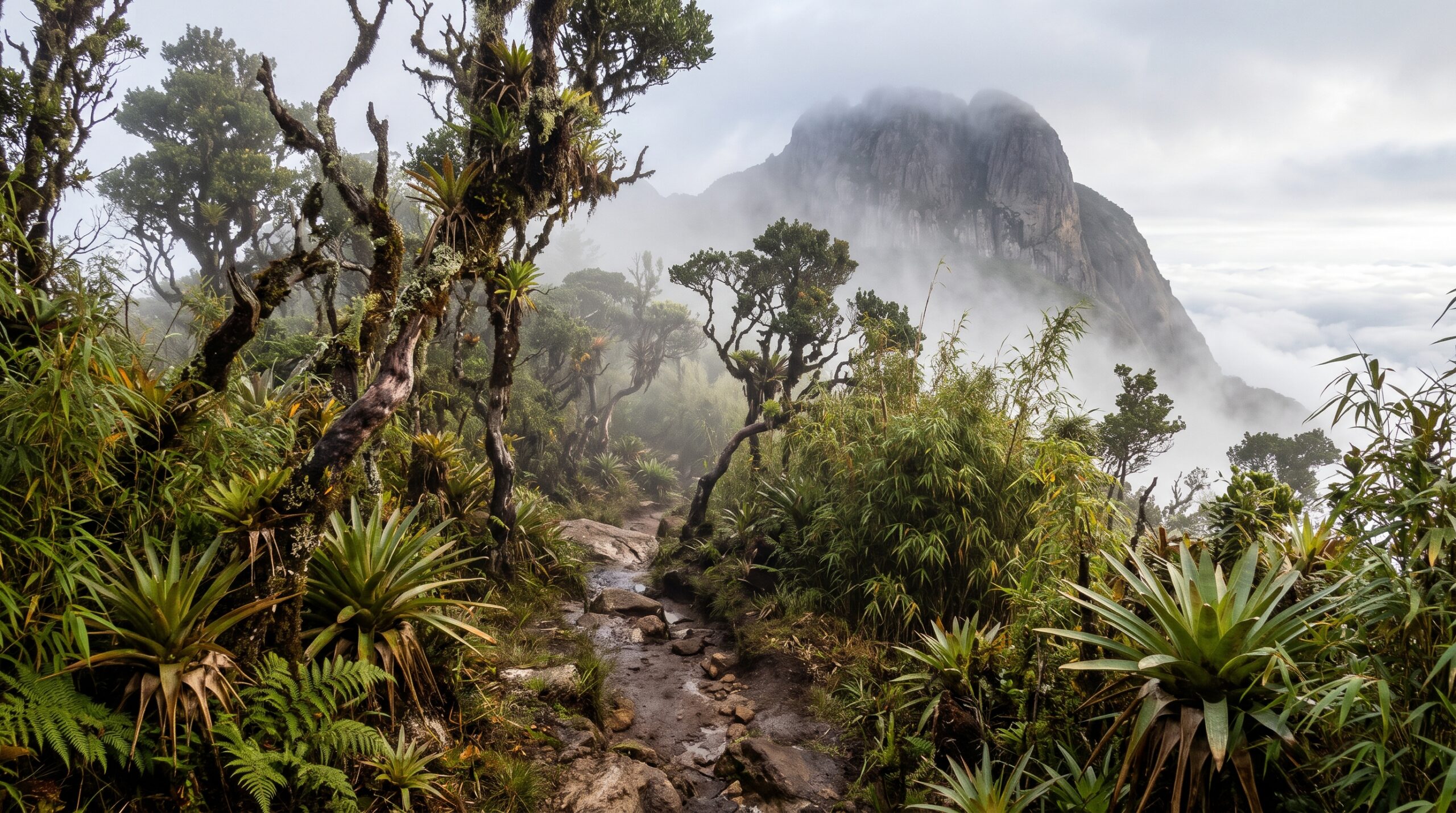
Caledônia rises to 2,257 meters and is one of the highest points in the region. The trail we use for birding is about 2.5 km long and crosses very different habitats: it starts among bamboo and low trees, enters denser forest and reaches the high-altitude grasslands near the summit.
This is where the high-altitude birds live, the ones visiting birders most want to see. They include the Grey-winged Cotinga, the Swallow-tailed Cotinga, the Diademed Tanager and, close to the top, the Itatiaia Spinetail.
After the July fire, the peak reopened to visitors on September 15, 2026. Inea, the state environmental agency, is still organizing visits and may limit the number of people per day, so it is worth arranging your trip in advance.
Macaé de Cima
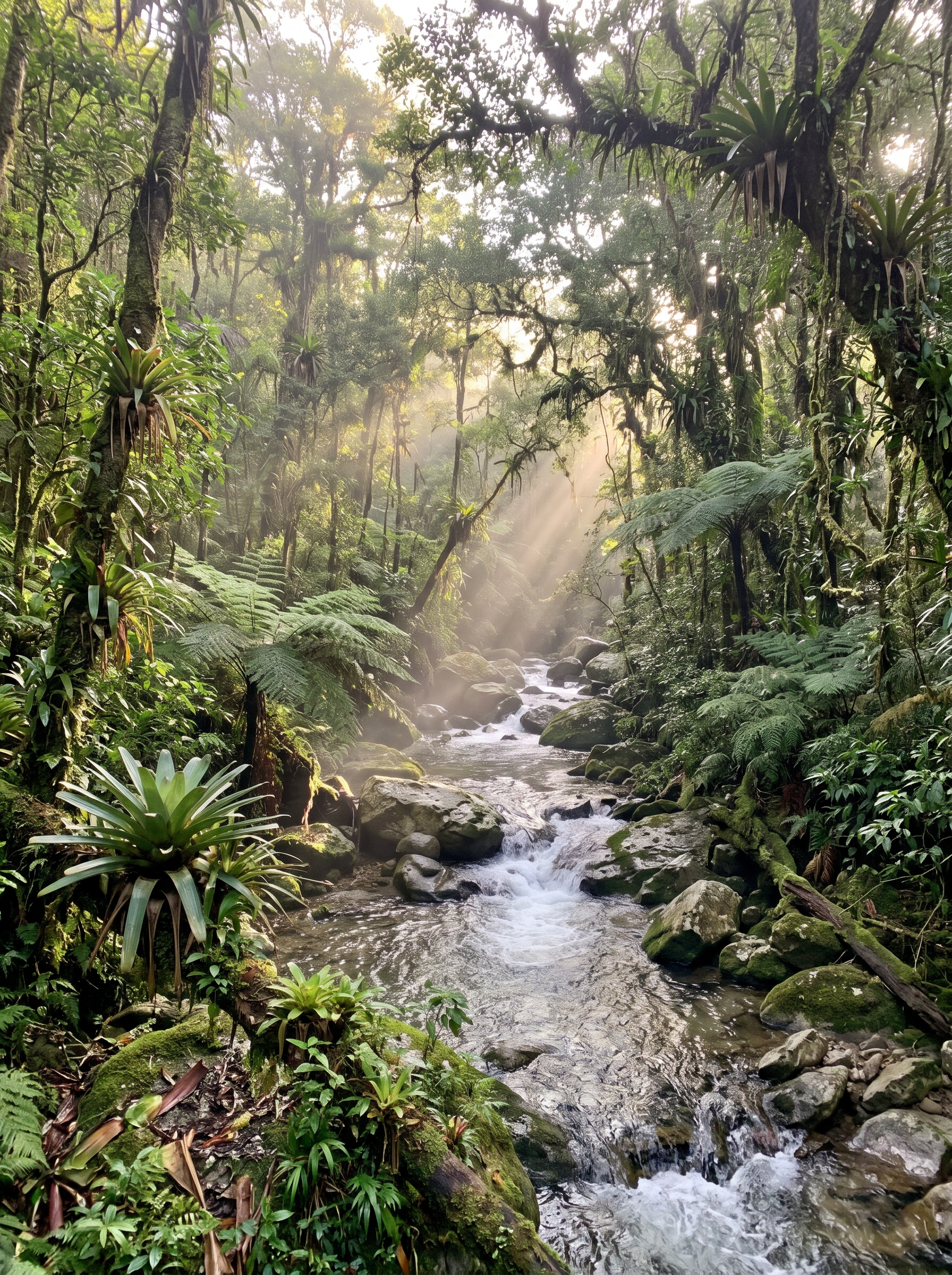
Macaé de Cima is a different setting: a valley of slope forest and clean rivers, about 1 hour by 4×4 from downtown Nova Friburgo, depending on road conditions. The walk is easy and produces many species without much physical effort.
There, the call of the Bare-throated Bellbird is usually the first thing you hear. With patience, you may also find the Brazilian Ruby, the Brassy-breasted Tanager, the Serra do Mar Tyrant-Manakin and understory birds such as antshrikes and antwrens. In the higher parts of the valley, look for the Black-and-gold Cotinga.
Birds that make the trip worthwhile
These are some of the mountain birds every birder dreams of seeing. No sighting is guaranteed: nature decides, and the guide helps improve your chances.
| Bird | Scientific name | Where to look | Why it is special |
|---|---|---|---|
| Grey-winged Cotinga | Lipaugus conditus | Caledônia, high-altitude forest | Rare, found only in the mountains of Rio de Janeiro state; threatened with extinction |
| Bare-throated Bellbird | Procnias nudicollis | Macaé de Cima | Its metallic call, like a hammer on an anvil, carries far through the forest |
| Black-and-gold Cotinga | Lipaugus ater | Caledônia and the higher parts of Macaé de Cima | Black male with a yellow wing patch, typical of the Serra do Mar |
| Swallow-tailed Cotinga | Phibalura flavirostris | Caledônia | Forked tail and green, yellow and black plumage |
| Diademed Tanager | Stephanophorus diadematus | Caledônia | Violet-blue with a white and red crown |
| Itatiaia Spinetail | Asthenes moreirae | Near the summit of Caledônia | A bird of the high-altitude grasslands, hard to see anywhere else |
| Bay-chested Warbling Finch | Castanozoster thoracicus | Caledônia | Small, with a chestnut breast, endemic to the Atlantic Forest |
| Brazilian Ruby | Clytolaema rubricauda | Macaé de Cima | Ruby-red throat in the male |
| Brassy-breasted Tanager | Tangara desmaresti | Macaé de Cima | Green, gold and blue: one of the most beautiful tanagers in the range |
| Serra do Mar Tyrant-Manakin | Neopelma chrysolophum | Caledônia and Macaé de Cima | A small manakin, typical of the montane forests of southeastern Brazil |
When to go and how to prepare
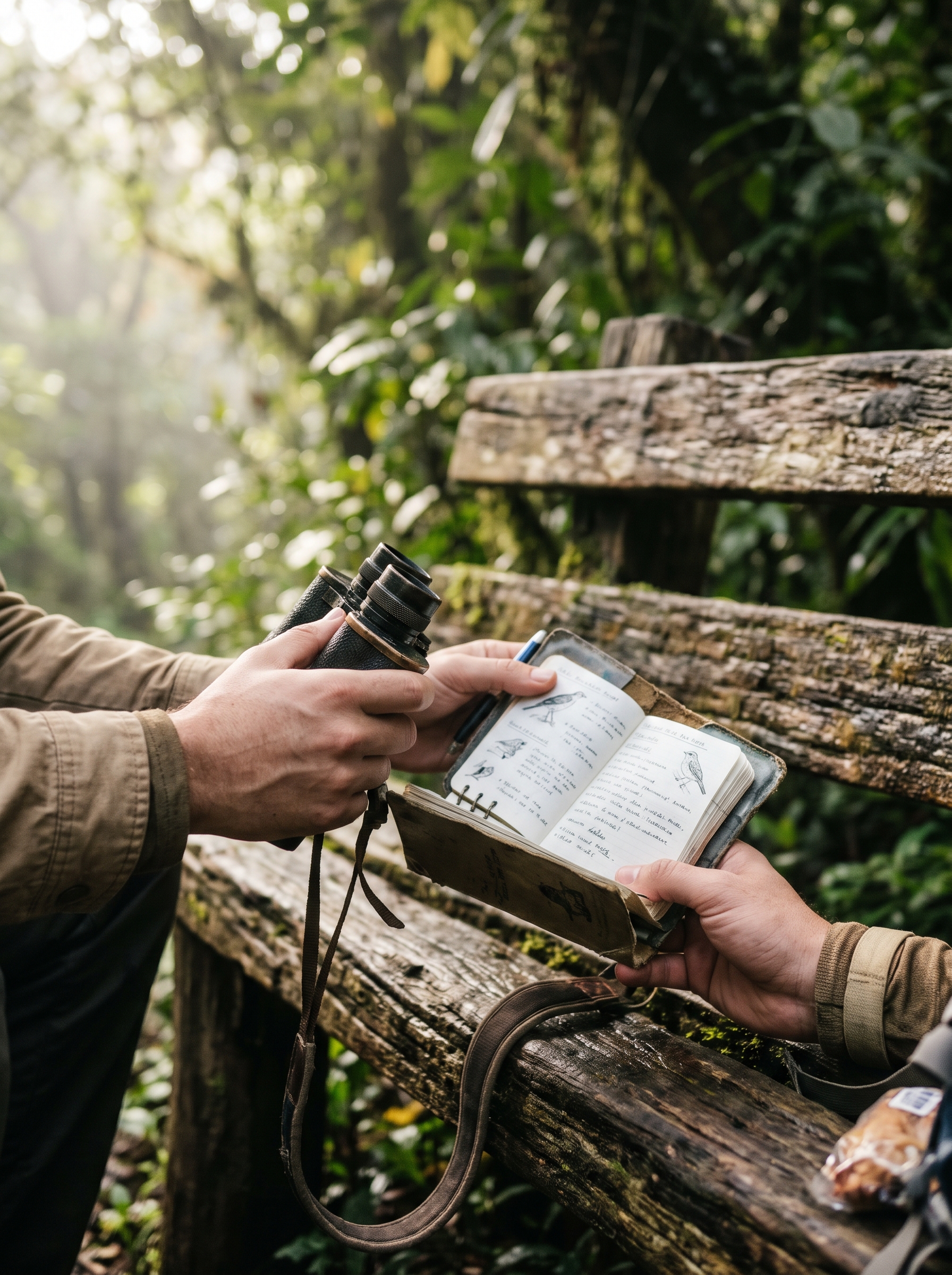
Birds are most active in the first hours of the day. That is why birding outings start early and finish before the sun gets strong.
- Park hours: Caledônia Peak is open Tuesday to Sunday from 5 a.m. The climb to the summit only starts at 7 a.m.
- ID: bring an official photo ID (a passport for foreign visitors); it is requested at the park entrance.
- Clothing: temperatures drop fast high in the mountains. Dress in layers, with a windbreaker and hiking shoes.
- Gear: binoculars (8×42 is a good start), a camera with zoom if you want to take photos, and a field guide or bird ID app.
- In your backpack: water, snacks, sunscreen and a rain jacket. Leave the portable speaker at home: it is banned in the park and scares the birds away.
Every season has its charm. In the drier months, May to September (the southern winter), the trails are firm and the mornings clear. In spring (September to November), many species sing more and are easier to locate.
Ethical and safe birding
The best birding is when the bird never notices it has been seen. A few simple rules protect the species and everyone on the trail:
- Stay on the trail. Leaving it tramples vegetation and disturbs nests.
- Do not feed the animals. Besides being banned in the park, it changes the birds’ behavior.
- Use playback sparingly. Playing a species’ song nonstop stresses the bird, especially in the breeding season.
- Speak softly and walk slowly. Silence brings more sightings than any piece of equipment.
- Take everything back with you. No litter, and no taking plants, seeds or rocks.
- Go with an accredited guide. The guide knows the spots, the songs and the risks of the mountain, and knows what to do if the weather changes.
At Watrip, birding follows our Safety Management System, based on ABNT NBR ISO 21101. We explain this in detail in the article Safety, qualifications and legal compliance in birdwatching tourism.
Go birding with Watrip
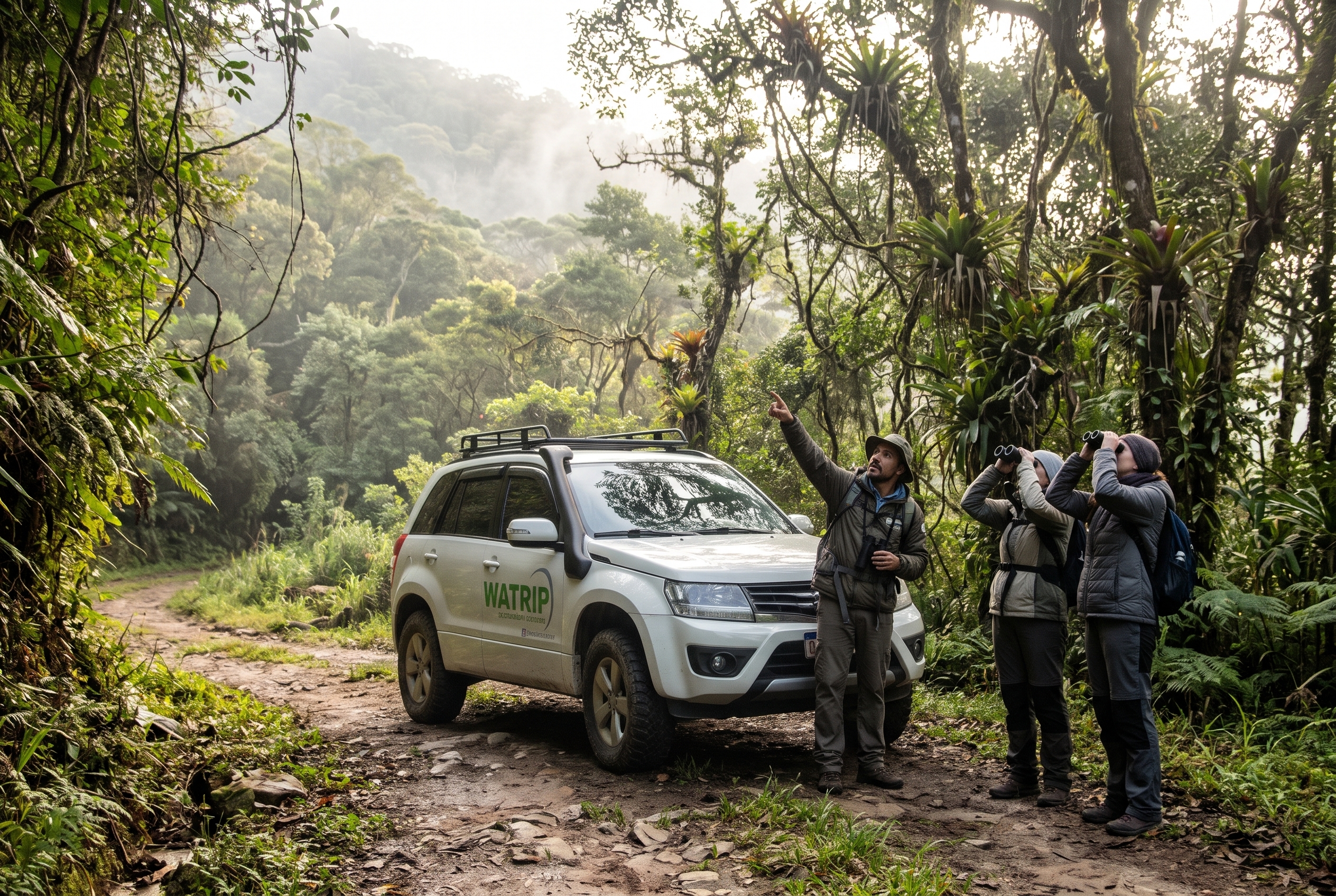
Watrip runs private birdwatching outings in Nova Friburgo, at your group’s pace. The itinerary is built around the species you want to find, your fitness and the time of year.
- A CADASTUR-accredited guide (Brazil’s official tourism registry) who knows the songs and the spots for each species.
- 4×4 transfer on dirt roads to the trailheads.
- Personal accident insurance in the vehicles.
- An early start, to make the most of the hours when birds are most active.
Want to combine birding with a climb to the summit? See the Caledônia Peak tour or the Macaé de Cima tour. To discover other spots around town, also read our birdwatching guide to Nova Friburgo.
Message Watrip on WhatsApp and tell us which birds you dream of seeing.


