Environmental education: an essential pillar of sustainable tourism in Brazil
Environmental education is a strategic tool for the future of the planet, and Brazil officially recognized its importance by creating National Environmental Education Day, celebrated on June 3 under Law No. 12,633/2012.
The date marked 20 years since the United Nations Conference on Environment and Development (Eco-92), held in Rio de Janeiro, and represents an institutional step forward in recognizing environmental education as essential for social change and the protection of ecosystems.
Legal basis: the National Environmental Education Policy
Since 1999, Law No. 9,795 has established the National Environmental Education Policy (PNEA), which requires environmental education to be present at all levels and types of education, both formal and informal. The law makes the environment a cross-cutting theme, built into school curricula and into community life.
Why is environmental education essential?
As climate change and the ecological crisis worsen, the need to form critical, aware citizens grows. Environmental education:
- encourages sustainable behavior;
- develops a sense of collective responsibility;
- promotes the value of biodiversity;
- encourages the wise use of natural resources;
- supports the Sustainable Development Goals (SDGs), especially SDGs 4, 13 and 15.
Nature tourism and environmental responsibility
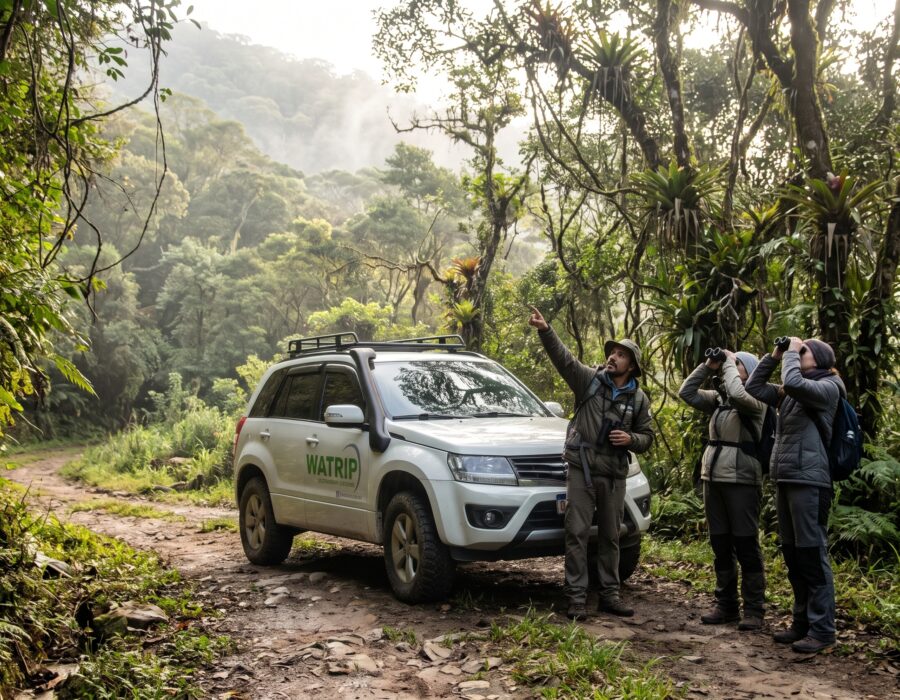
Companies such as Watrip Turismo, which run eco-trails and tours in natural areas, play a central role in this process. Trained guides, tours run under a Safety Management System (SMS) and the use of licensed vehicles show WATRIP TURISMO‘s commitment to responsible, safe and educational tourism.


Besides ensuring safe experiences, tour guides accredited by Brazil’s Ministry of Tourism, with specific training for natural areas, offer much more than technical guiding. These professionals keep their skills up to date, mastering first-aid protocols, rescue techniques in hard-to-reach areas and emergency management, as well as practical guidance on living alongside local wildlife, identifying environmental risks and protecting ecosystems. Above all, the guide is an environmental educator and a safety agent, a link between visitors and nature who makes every experience enriching and responsible.
Celebrating and practicing environmental education
National Environmental Education Day is a chance to reflect on our attitudes and strengthen our commitment to conservation. At Watrip, this commitment shows in every trail, every project and every choice.
To educate is to conserve. To conserve is to protect life.