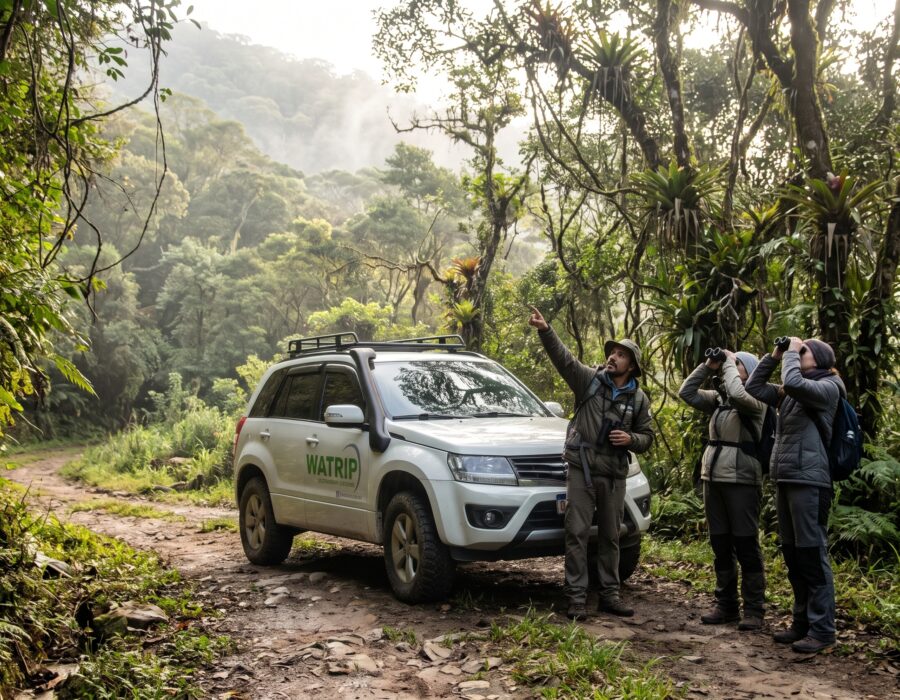
In recent years, the state of Rio de Janeiro has seen a significant rise in accidents related to nature tourism, such as hiking, climbing and mountain crossings. This shows the urgent need to strengthen safety protocols that reduce risks and protect visitors.
Good risk management, based on international and national practice, can not only reduce incidents but also build trust in the ecotourism and adventure tourism sector. That is why implementing a Safety Management System (SMS) is indispensable.
An SMS is based on technical standards such as ABNT NBR ISO 21101, which sets guidelines for adventure tourism operators to organize their safety processes, training and emergency plans. In addition, Brazilian law requires companies that operate nature tourism activities to apply safety management systems, according to the regulations of the Ministry of Tourism and the requirements for registration with CADASTUR.

This means adopting an SMS is not just a voluntary good practice, but a legal requirement. Companies that do not comply put at risk not only the lives of tourists and guides but also the credibility of the whole sector.
Given this scenario, operators, guides and agencies must take responsibility for applying safety protocols correctly, keep up ongoing training in first aid, rescue techniques in natural areas and accident prevention, and invest in proper equipment.
Only with professional management, based on technical standards and compliance with the law, will it be possible to reduce accident rates and keep nature tourism a safe, sustainable and transformative experience.