When we plan a trip, the goal is always leisure and discovery. However, there are important differences between conventional tourism and nature and adventure tourism. Both are wonderful and worthwhile, but they offer different experiences and call for different preparation.
While one focuses on comfort, culture and enjoying the sights, the other seeks direct interaction with the natural environment, requiring technique, risk management and specific equipment.
At Watrip Turismo, we specialize in nature and adventure. Below we explain the 4 main features that set these two types of tourism apart, so you can choose the experience that best suits you right now.
Contemplation vs. immersion
Conventional tourism is fantastic for those who want to discover a destination’s history, architecture and famous landmarks, usually with more infrastructure and comfort. It is an experience focused on contemplation and easy access to attractions.
In nature tourism, the idea is immersion. The goal is to actively interact with the environment: feel the weather, walk the trails, swim in waterfalls and experience the local landscape. It is not just about seeing the scenery, but about becoming part of it during the tour.
The guide’s role: information vs. technical competence and standards
In classic tourism, the guide acts mainly as a cultural informant, knowing dates, historical facts and local curiosities.
In nature tourism, it is a whole different story. The guide must follow a series of technical standards specific to the activity. Besides interpreting the environment (explaining its biodiversity), the guide is directly responsible for applying the Safety Management System (SMS) in the field. This professional is trained to manage risks, operate safety equipment and make technical decisions based on strict protocols, ensuring the adventure takes place within established standards.
Safety management (SMS) as a pillar
This is a fundamental technical difference. In urban tourism, environments are mostly controlled and predictable.
In adventure tourism, the environment is dynamic. The weather changes, the terrain is uneven and the risks are real. That is why the operation cannot rely on improvisation. It requires a structured Safety Management System (SMS) following the ABNT NBR ISO 21101 standard. This means Watrip maps risks, has emergency plans and monitors constantly: protocols not required in conventional tourism, but mandatory for anyone who takes nature seriously.
Logistics and access
Conventional tourism usually relies on paved roads and large vehicles (buses, vans) that prioritize quick travel between easy-to-reach sights.
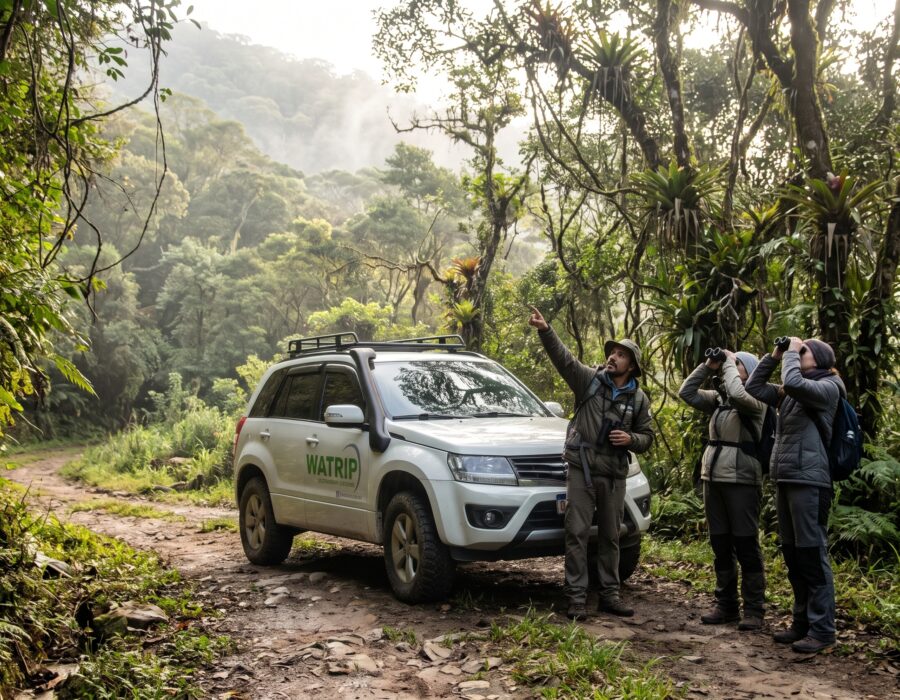
In nature tourism, reaching the sites calls for different logistics. We use vehicles with a safety certificate issued by INMETRO (Brazil’s national standards institute), strictly following Cadastur rules. This ensures that travel on dirt roads and mountain routes is done not only with the necessary ruggedness but with full legal compliance and mechanical safety for passengers.
Conclusion
Whether you want to relax at a farm hotel and visit the historic town center (conventional tourism) or explore trails and mountains (nature tourism), what matters is knowing who you travel with and live the experience alongside.
If what you need right now is a connection with the forest, learning about biodiversity and a dose of adventure with full technical rigor and safety, Watrip Turismo is ready to guide you.